
Australian manufacturing is losing skilled workers two ways at once. They're retiring, and they're being outbid by mining and construction. Here’s one way you can protect the knowledge walking out the door and build a workplace good enough that people choose to stay.
"Congrats on retiring," you say, forcing a smile. Behind it, you're already working out how you'll replace thirty years of know-how with someone who started last Tuesday.
Why is Australian manufacturing losing skilled workers to retirement?
In 2024, 22% of the manufacturing workforce was aged 55 or older, and a significant portion of that group is expected to retire within the next decade. There isn't enough generational renewal coming through to replace them, and that imbalance is opening up a real knowledge gap across the industry.
The Manufacturing Industry Skills Alliance has been warning about this for several years now, calling it a "skills retirement cliff." If specialised skills aren't passed on to younger workers before that shortage hits, the industry risks diluting its knowledge base.
Small and medium manufacturers are the most exposed. Around 80% of them run with 20 staff or fewer, so losing one senior person with decades of experience can mean losing contracts, customers and knowledge that was never written down anywhere else.
.png?width=1200&height=1200&name=Job%20Shops%20(14).png)
Why can't fabricators win the wage war with mining and construction?
Manufacturers aren't nly competing for work. The industry itself is competing for people, mostly against construction and mining, and more than half the time, workers are choosing those industries over manufacturing.
The reason comes down to money. According to the Australian Bureau of Statistics, the median weekly wage in manufacturing sat at $1,500 in August 2025, level with construction. Mining paid $2,760, more than $1,200 a week ahead.
How do you protect the business when your best people retire?
Digitise what's in people's heads. Your longest-serving fitter might know every step for every product variation without thinking about it. Capture it and build it into standard work instructions and product workflows in your shop floor system, so everyone knows what to do and when, whether he's there or not.
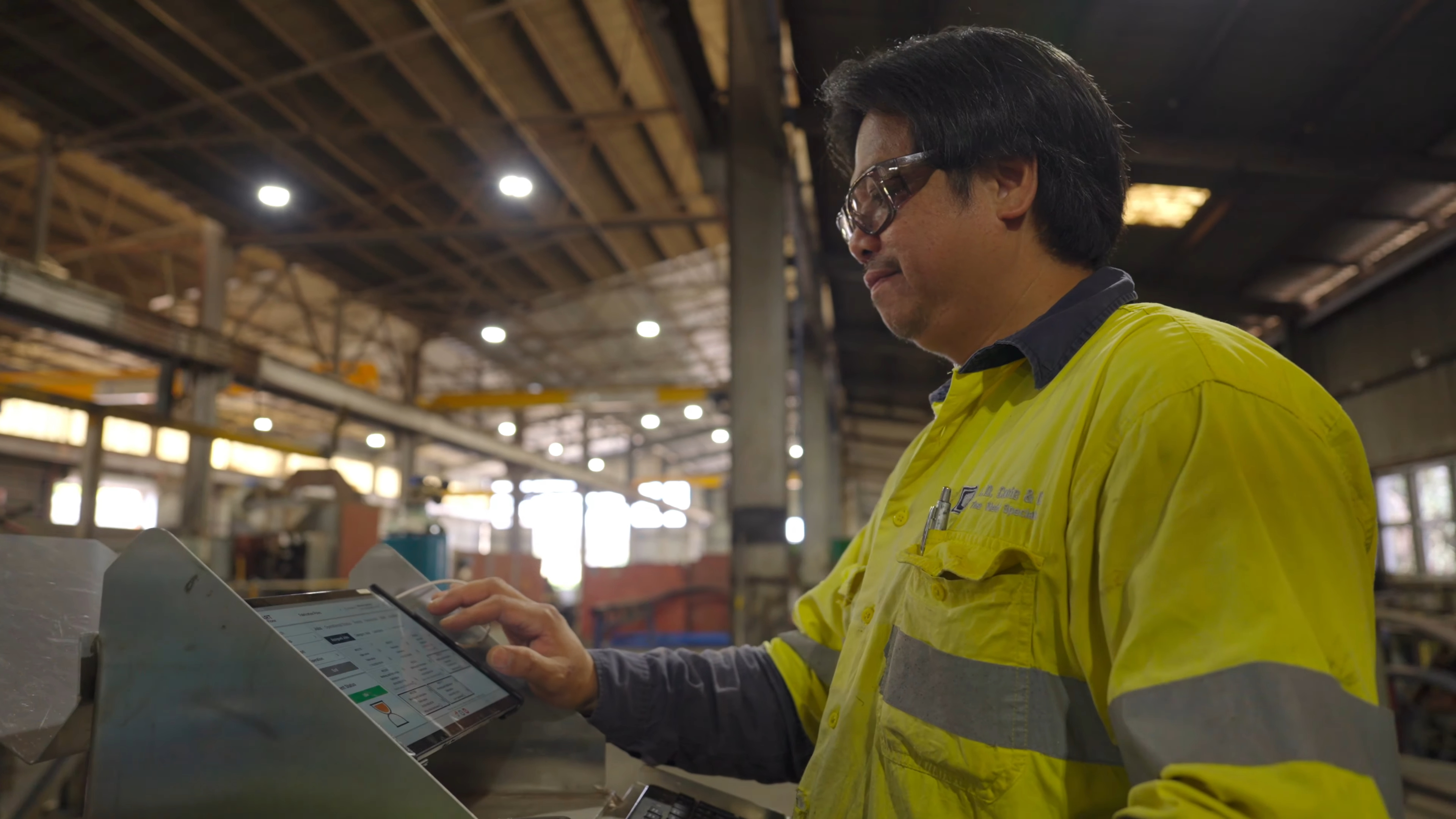
Digital operator tools get new starters up to speed faster. When a new hire gets stuck, instant communication tools mean they can get an answer on the spot instead of downing tools to go find someone. Work allocation gives them purpose and clarity on their daily workload. Digital forms with auto-fill eases the administrative burden. You want to give them as much time training and working as possible - less time confused and time buried in paperwork.
How do you compete for workers when you can't compete on wages?
Quality working conditions are still one of the biggest factors in whether skilled workers stay put. Automated scheduling reduces overtime and drastically reduces firefighting.
That means fewer late finishes and a shorter work week for the people already carrying the most experience on your floor. Less stress and better work-life balance is the kind of environment skilled workers choose to stick around for, even with the pay gap.


.jpeg)