A shop floor control system, sometimes called shop floor management, closes the visibility gap by feeding live floor data back into the schedule automatically, so both the office and the floor are working from the same up-to-date picture.
Why is it hard to keep track of WIP on the shop floor?
As one job shop owner lamented: "We have no way of knowing which job is where unless we physically walk the floor." You've tried to fix it for years, through more than one piece of software or with whiteboards and visual dashboards.
It's not just frustrating, it's costly. In a UK survey of 500 manufacturing professionals, 46% said they've already had production downtime caused by delayed visibility on the floor. The problem was real, but nobody had visibility to spot it in time to stop it from turning into downtime. That lost production shows up as higher costs, missed deadlines and lost revenue.
What Is Shop Floor Control?
When things start to slip on the floor, the planned schedule no longer maps to worker activity. A crucial component runs out without warning. A last minute staff call-out leaves the shop short-handed. A client cancels their order. Last minute maintenance creates a capacity shortage and a bottleneck. Add it up and it costs real money.
The missing piece is live feedback from the shop floor back to your production dashboard. It sounds simple. It's not, which is why most job shops are still playing "I Spy" every single day.
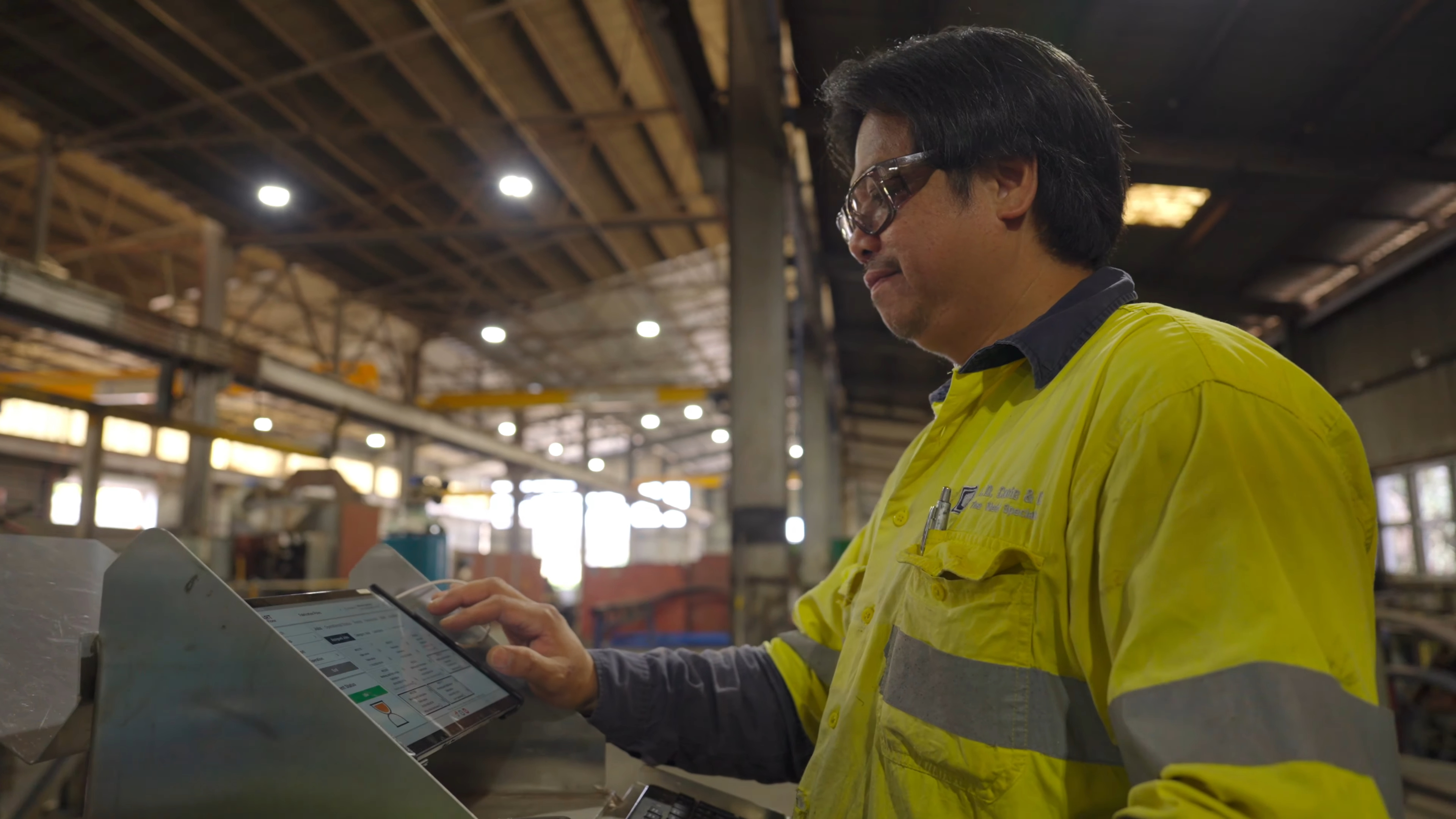
That's shop floor control, sometimes called shop floor management, often part of a broader manufacturing execution system. It tracks, prioritises and reports every job in real time as it moves through the floor, so the plan and the reality stay in sync.
It calculates work completion for every operation and order. So anyone in the shop knows the part is in Bay 5 undergoing welding, and is 60% done. Deviation management detects and raises alerts when operations aren't hitting expected benchmarks in the schedule. The system responds to limitations or problems to create a new plan of action for the shop floor to execute.
By creating a feedback loop with the shop floor, it also provides real time visibility into material planning and quality control.
The feedback loop from the shop floor and production scheduling is achieved through several mechanisms:
What Does a Shop Floor Control System Actually Do?
Historically, getting reliable feedback from the floor was difficult, because the system needs to work a specific way:
Here's what it actually changes day to day. Catch a problem early and it costs you five minutes and a reshuffled job. Catch it at knock-off instead and it costs you overtime, a blown deadline, and a phone call you don't want to make.




.jpeg)